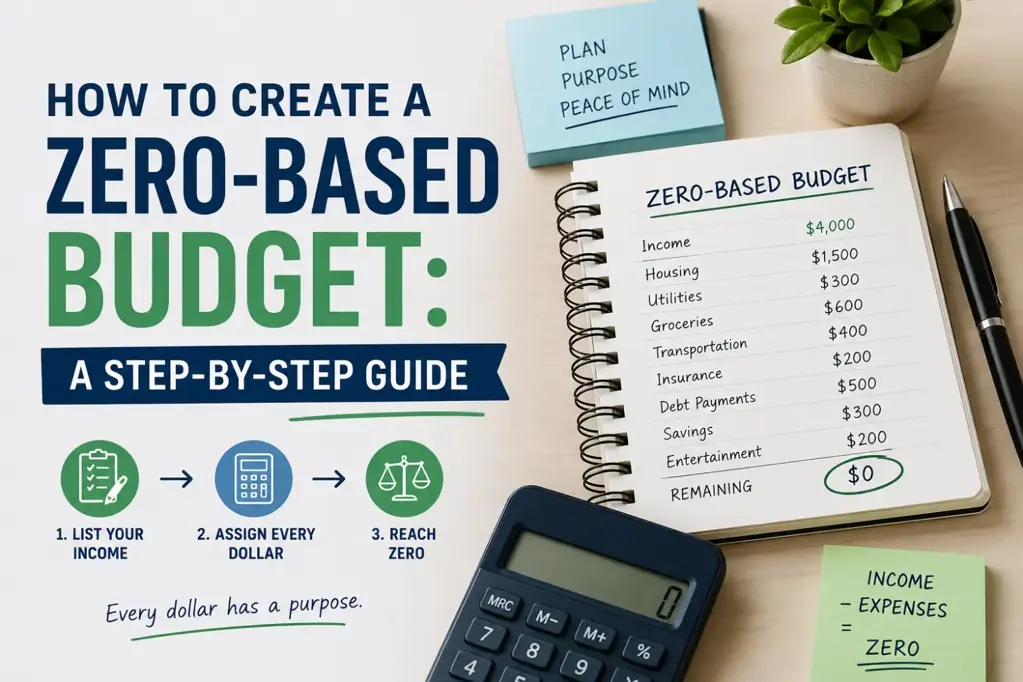
How to Create a Zero-Based Budget: A Step-by-Step Guide
A zero-based budget is a budgeting method where every dollar of your income is allocated to specific expenses, savings, or debt repayment, leaving you with zero unallocated funds. This approach encourages conscious spending and ensures that every dollar you earn is put to work in your personal finance strategy.
Benefits of a Zero-Based Budget
Implementing a zero-based budget offers several advantages:
- Increased Awareness: You gain a clear understanding of your financial situation.
- Improved Control: You control where your money goes, reducing unnecessary expenses.
- Financial Goals: It helps prioritize saving for financial goals and emergencies.
- Adaptability: Your budget can be adjusted to reflect changes in income or expenses.
Step 1: List Your Income
The first step in creating a zero-based budget is to list all your sources of income. This includes your salary, side hustles, and any other earnings. Make sure to calculate your total monthly income.
Step 2: Identify Your Expenses
Next, you need to identify all your monthly expenses. This can be divided into fixed and variable expenses:
- Fixed Expenses: Rent, mortgage, insurance, etc.
- Variable Expenses: Groceries, entertainment, dining out, etc.
Step 3: Allocate Every Dollar
Once you have your income and expenses listed, allocate every dollar from your income to your expenses, savings, or debt repayment. This is the essence of a zero-based budget. Your income minus your expenses should equal zero.
Step 4: Review and Adjust Monthly
Budgeting is not a one-time task. Review your zero-based budget at the end of each month. Adjust your allocations as necessary to reflect changes in income or expenses.
Common Mistakes to Avoid
When creating a zero-based budget, be mindful of common pitfalls:
- Underestimating Expenses: Always overestimate your variable expenses to avoid surprises.
- Not Adjusting Regularly: Make it a habit to adjust your budget every month.
- Ignoring Irregular Expenses: Don’t forget to account for annual or semi-annual expenses.
FAQs
What is a zero-based budget?
A zero-based budget is a method where every dollar of your income is assigned to expenses or savings, leading to a balance of zero.
How do I start a zero-based budget?
Start by listing your income, identifying your expenses, and allocating every dollar until your income minus expenses equals zero.
Can I use budgeting tools?
Yes, tools like WhizBudget can simplify the process and help you track your budget effectively.
How often should I review my budget?
Review your budget monthly to make necessary adjustments based on your financial situation.
What if my expenses exceed my income?
If your expenses exceed your income, consider cutting non-essential expenses or finding ways to increase your income.
Is zero-based budgeting suitable for everyone?
While it can be beneficial, it may not be suitable for everyone. Assess your personal finance strategy and comfort with detailed budgeting.
Conclusion
Creating a zero-based budget can significantly improve your financial management and help you achieve your financial goals. By following these steps, you can take control of your finances and ensure every dollar is working for you. For those looking for a helpful budgeting tool, consider using WhizBudget to make the process easier and more efficient.
More From the Blog



Joke of the day by GiggleTime