
How to Build a Bare-Bones Budget When Money Is Tight
When your income drops, your hours are reduced, you lose a job, or a large bill arrives unexpectedly, your normal budget may stop working overnight. A bare bones budget helps you focus on one goal: keeping your household stable until things improve.
This is not about perfection, guilt, or cutting every small comfort forever. It is a short-term emergency budget plan that protects your essentials first: housing, utilities, food, transport, and minimum debt payments. Once your income stabilises, you can rebuild your usual spending plan.
In this guide, you will learn how to create a practical bare bones budget, what to cut first, which bills to prioritise, and what to do within the next 24 hours if money is tight.
What Is a Bare-Bones Budget?
A bare bones budget is a stripped-down version of your normal monthly budget. It includes only the expenses you genuinely need to keep a roof over your head, maintain basic services, eat, get to work or appointments, and avoid serious financial consequences.
Unlike a normal budget, it does not aim to balance comfort, lifestyle, savings, and long-term goals. Instead, it focuses on short-term survival and stability. It is sometimes called an essential expenses budget because every line should be necessary.
A bare bones budget usually includes:
- Rent or mortgage payments
- Basic utilities such as electricity, gas, water, and heating
- Essential groceries and household items
- Transport needed for work, school, medical appointments, or caring responsibilities
- Minimum debt payments to prevent arrears or penalties
- Insurance that protects your home, car, health, or income where relevant
- Basic phone and internet if needed for work, job searching, banking, or essential communication
It usually excludes non-essential spending such as subscriptions, takeaways, clothing that is not urgent, entertainment, holidays, upgrades, and impulse purchases.
When You Should Use a Bare-Bones Budget
A bare bones budget is most useful when your financial situation changes quickly and you need to make decisions before missed payments pile up. It can help during both short-term and uncertain situations.
You may need a bare bones budget if:
- You have lost your job or expect redundancy
- Your working hours have been reduced
- You are self-employed and income has slowed down
- You are waiting for benefits, unemployment support, or insurance payments
- You have an unexpected medical, dental, car, or home repair bill
- Your rent, mortgage, energy, or food costs have increased sharply
- You are relying on savings and need them to last longer
- You are behind on bills and need a clear recovery plan
This type of budget is not meant to be permanent. Living on the minimum for too long can be stressful and unrealistic. The aim is to buy time, reduce damage, and give you a clear plan while you look for extra income, support, or a more stable routine.
Step 1: Calculate Your Reliable Monthly Income
Start with the money you can realistically count on this month. Do not build your budget around income that might arrive, such as overtime, a possible freelance invoice, or a job offer that is not confirmed.
List only reliable income, such as:
- Net salary or wages after tax and deductions
- Confirmed unemployment benefits or social support
- Child benefit, maintenance, or family support you reliably receive
- Pension payments
- Regular self-employment income from confirmed work
- Any cash savings you have decided to use this month
If your income is irregular, use the lowest realistic amount you expect. For example, if your monthly income is usually between €1,200 and €1,700 but work is uncertain, build your low income budgeting plan around €1,200 or less. If more money arrives, you can use it to catch up on bills, rebuild a small emergency fund, or cover next month.
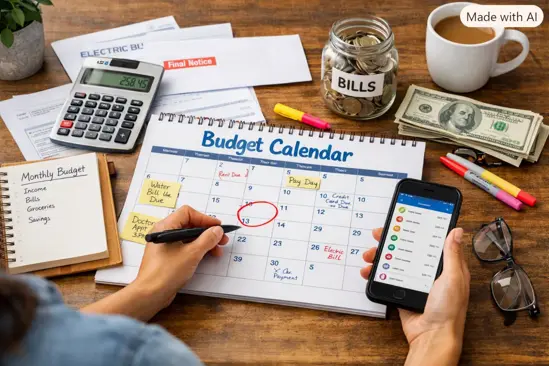
Write down the date each income payment is expected. Timing matters. A budget may look balanced for the month but still fail if rent is due before wages arrive. If cash flow is tight, you may need to contact a landlord, lender, or provider to request a different due date.
Step 2: Separate Essential Expenses From Non-Essentials
The hardest part of a budget when money is tight is deciding what stays and what goes. Use a simple rule: if not paying for it could threaten your housing, health, ability to earn income, legal obligations, or basic family needs, it is likely essential. If it can be paused without serious consequences, it is non-essential for now.
| Essential expenses | Non-essential expenses to pause or reduce |
|---|---|
| Rent or mortgage | Streaming subscriptions |
| Electricity, gas, water, heating | Takeaways and restaurant meals |
| Basic groceries | Alcohol, tobacco, and convenience snacks |
| Transport to work, school, or medical care | Clothing that is not urgent |
| Minimum debt repayments | Hobbies, events, and paid entertainment |
| Essential insurance | Gym memberships |
| Phone and internet needed for work or essential admin | App subscriptions and premium software |
| Childcare needed to work | Beauty treatments and non-urgent appointments |
Some categories depend on your circumstances. A car may be essential if you live in a rural area or need it for work. It may be less essential if reliable public transport is available. Internet may be essential if you work remotely, search for jobs, manage online banking, or complete benefit applications.
Be honest, but do not be harsh with yourself. The goal is not to judge past spending. The goal is to make the next month safer.
Step 3: Prioritize Housing, Utilities, Food, Transportation, and Minimum Debt Payments
Once you know your income and essential costs, rank bills by consequence. Not all bills have the same urgency. Missing a subscription payment is inconvenient. Missing rent or mortgage payments can put your home at risk.
Use this priority order when building your bare bones budget:
- Housing: rent, mortgage, service charges, and essential home insurance.
- Utilities: electricity, gas, heating, water, and basic waste charges where applicable.
- Food and household basics: simple groceries, hygiene items, baby supplies, and essential medicines.
- Transport: fuel, public transport pass, bike repairs, car insurance, or vehicle costs needed to work and meet essential obligations.
- Minimum debt payments: credit cards, loans, overdrafts, tax debts, or arrears where missed payments could create fees or collection action.
- Essential communication: the cheapest practical phone and internet option.
If your income does not cover all essentials, do not ignore the problem. This is the point where you contact providers before the due date, check eligibility for support, and look for temporary payment arrangements. Many European lenders, utility companies, landlords, and public bodies have hardship teams or repayment options, but it is usually easier to arrange help before you miss payments.
Step 4: Cut or Pause Non-Essential Spending Immediately
When money is tight, speed matters. Waiting until the end of the month can mean the money has already gone through automatic payments, card charges, and small purchases. Within the next 24 hours, cancel, pause, or downgrade anything that is not essential.
Start with quick wins:
- Cancel streaming, music, gaming, magazine, and app subscriptions.
- Pause gym memberships if your contract allows it.
- Stop takeaway food and switch to simple home meals.
- Delay clothing, electronics, homeware, and furniture purchases.
- Remove saved cards from shopping apps to reduce impulse buys.
- Turn off auto-renewals for annual subscriptions.
- Downgrade mobile or broadband packages if you are out of contract.
- Put a temporary spending limit on your debit or credit card if your bank allows it.
Check your bank account for direct debits, standing orders, and recurring card payments. In many European countries, direct debit payments can be easy to forget because they leave automatically. Make a list of every recurring payment and decide whether it is essential, negotiable, or cancellable.
Be careful when cancelling insurance or contracts with penalties. Some policies are essential, and some contracts charge fees for early cancellation. If in doubt, contact the provider and ask about a temporary reduction, payment holiday, or cheaper plan before cancelling.
Step 5: Contact Lenders, Utility Providers, and Service Companies Before You Miss Payments
If your bare bones budget shows you cannot pay everything, communication is urgent. It may feel uncomfortable, but early contact can reduce fees, protect your credit file, and give you more options.
Contact these providers first:
- Your landlord, mortgage lender, or housing office
- Energy, heating, and water providers
- Credit card companies, loan providers, and overdraft providers
- Local tax, council, municipality, or social insurance offices if relevant
- Phone, internet, and insurance companies
When you contact them, keep the message simple and factual. Explain that your income has temporarily dropped, you are reviewing your essential expenses budget, and you want to avoid missed payments. Ask what hardship options are available.
You can say:
I am experiencing a temporary drop in income and I am creating an emergency budget plan. I want to stay on top of my account, but I may not be able to make the full payment this month. Are there any payment plans, reduced payments, due date changes, or hardship options available?
Before agreeing to anything, ask:
- Will this affect my credit record?
- Will interest or late fees be added?
- How long will the arrangement last?
- Can I return to normal payments without a penalty?
- Will I receive the agreement in writing?
Keep records of every call, email, and agreement. Note the date, name of the person you spoke to, and what was agreed. If possible, request confirmation by email or letter.
Step 6: Build a Simple Bare-Bones Budget Example
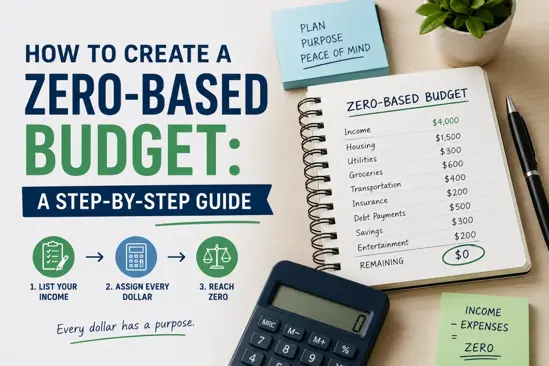
Here is a realistic example for one person living in Europe after a temporary income drop. The exact numbers will differ depending on your country, city, household size, and housing costs, but the structure is what matters.
| Category | Monthly amount | Notes |
|---|---|---|
| Reliable income | €1,450 | Reduced wages after tax |
| Rent | €650 | Priority housing cost |
| Utilities | €180 | Electricity, gas, water, heating |
| Groceries and household basics | €250 | Simple meal plan and essential items |
| Transport | €95 | Monthly public transport pass |
| Phone and internet | €45 | Basic plan needed for work and admin |
| Insurance | €40 | Essential cover only |
| Minimum debt payments | €120 | Credit card and personal loan minimums |
| Medicines and health costs | €35 | Regular prescriptions and appointments |
| Emergency buffer | €35 | Small cushion for unexpected basics |
| Total essential spending | €1,450 | Every euro assigned |
In this example, there is no room for non-essential spending. That is uncomfortable, but it gives the person a clear plan. If they spent €60 on takeaways or subscriptions, they would likely fall behind on food, transport, or debt payments.
If your total essential spending is higher than your income, you need a shortfall plan. For example:
| Shortfall action | Possible impact |
|---|---|
| Request a utility payment plan | Spreads a large bill over several months |
| Ask lender for temporary reduced payment | May protect cash flow, but check credit impact |
| Use a small amount of emergency savings | Buys time without borrowing |
| Apply for local support or benefits | May help with rent, energy, food, or family costs |
| Sell unused items | Can cover a one-off gap, but is not a long-term income plan |
A budgeting tool such as WhizBudget can help you lay out these categories clearly, adjust numbers quickly, and see which payments are due before your next income arrives.
Step 7: Track Spending Weekly Until Your Income Stabilizes
A bare bones budget needs regular checking because there is very little margin for error. When your budget is tight, one forgotten bill or grocery overspend can cause problems.
Review your spending at least once a week. If your situation is urgent, check it every two or three days. This does not need to be complicated. You can use a notebook, spreadsheet, banking app, or WhizBudget to track what has actually left your account.
During each weekly check-in:
- Compare planned spending with actual spending.
- Check which bills are due before your next income payment.
- Move money for rent, utilities, and food before spending on anything else.
- Update your grocery and transport totals.
- Confirm that cancelled subscriptions have actually stopped.
- Review any payment arrangements you have made.
Use cash envelopes or separate bank spaces if they help you avoid accidental spending. For example, you might keep grocery money separate from bill money. If your bank offers instant notifications, turn them on so you see every transaction.
Weekly tracking also helps you spot progress. Even if the month is difficult, staying current on the most important bills is a win.
Actionable Steps You Can Take Within 24 Hours
If you feel overwhelmed, focus on the next day rather than the whole month. These actions can make your budget safer quickly:
- Check your current bank balance and list all income expected this month.
- Write down the due dates and amounts for rent, utilities, food, transport, and debt payments.
- Cancel or pause at least three non-essential recurring payments.
- Plan the next seven days of meals using food you already have first.
- Contact one provider today if you know a payment will be late or unaffordable.
- Remove shopping apps or saved card details from your phone.
- Set a weekly spending limit for groceries and transport.
- Check whether you qualify for local support, energy help, housing assistance, unemployment benefits, or food aid.
You do not need to solve everything immediately. You need to stop the financial leak, protect essentials, and create breathing space.
Common Mistakes to Avoid With a Bare-Bones Budget
A bare bones budget is simple, but a few common mistakes can make it less effective.
Ignoring payment dates
A monthly total is not enough. If rent is due on the 1st and income arrives on the 15th, you have a cash flow problem even if the budget balances on paper. Track due dates carefully.
Cutting essentials by accident
Do not cancel important insurance, medication, childcare, or transport without understanding the consequences. Some costs are essential because they prevent bigger problems.
Paying loud creditors before priority bills
Some companies chase payments aggressively, but that does not always mean they should be paid first. Housing, energy, food, and essential transport usually come before unsecured debts.
Relying on credit cards to fill the gap
Credit can help in a rare emergency, but using it every month to cover basics can quickly turn a temporary income drop into long-term debt. Contact providers and seek support before borrowing more.
Making the budget too strict to follow
If possible, include a tiny emergency buffer, even €20 or €30. Life rarely follows a perfect plan. A small cushion can prevent one small problem from becoming a missed bill.
Not asking for help early enough
Support may be available through government schemes, municipalities, charities, food banks, energy assistance programmes, or debt advice services. Asking early gives you more options.
How to Move Back to a Normal Budget
A bare bones budget should last only as long as necessary. Once your income improves, your hours increase, you start a new job, or the emergency bill is dealt with, you can gradually move back to a normal budget.
Do not rush straight back to old spending patterns. First, repair the damage and create stability.
Use this order:
- Catch up on priority arrears: rent, mortgage, utilities, and tax or local authority debts.
- Rebuild a small emergency fund: aim first for €250 to €500, then build from there.
- Clear expensive short-term debt: overdrafts, payday-style loans, and high-interest credit cards.
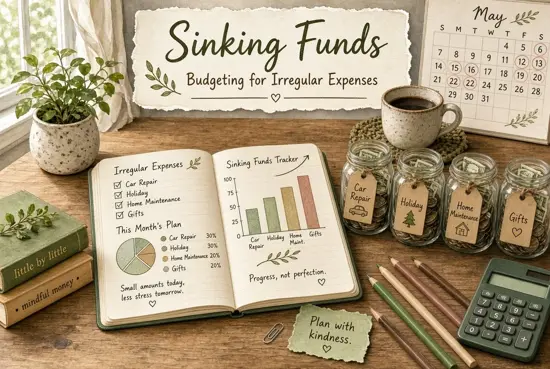
- Restart important sinking funds: annual insurance, car maintenance, school costs, health costs, or home repairs.
- Add back non-essentials slowly: choose the subscriptions, hobbies, or treats that genuinely matter.
- Review your normal budget: update it based on your real cost of living, not your old assumptions.
This is also a good time to ask what the emergency taught you. Did you need a larger emergency fund? Were too many subscriptions running unnoticed? Was your rent or car payment too high for your income? Use that information without blaming yourself.
WhizBudget can be useful here because you can create a bare bones version of your budget first, then gradually add categories back when your finances recover.
FAQs
What is the difference between a bare bones budget and a normal budget?
A normal budget covers essentials, savings, debt repayment, and lifestyle spending. A bare bones budget removes almost everything except essential expenses. It is designed for short-term financial pressure, such as job loss, reduced hours, or emergency bills.
How long should I use a bare bones budget?
Use it for as long as your income is unstable or your essential bills are at risk. For many people, this may be one to three months. If you need it for longer, consider getting debt advice or local financial support because the pressure may not be temporary.
Should I stop saving while using a bare bones budget?
If your income does not cover essentials, it is usually reasonable to pause long-term savings temporarily. However, if you can keep even a small emergency buffer, it may help you avoid borrowing for minor unexpected costs.
Which bills should I pay first when I cannot pay everything?
Prioritise housing, utilities, food, essential transport, and legal or priority debts. Then deal with unsecured debts such as credit cards and personal loans. Always contact lenders and providers before missing payments where possible.
Is a bare bones budget useful for low income budgeting?
Yes, especially during periods when income is very limited. However, if your income is consistently below your essential costs, budgeting alone may not be enough. You may need benefit checks, debt advice, housing support, or help from local services.
Can I still have any personal spending?
If your essentials are covered and you have a small amount left, you can include a modest personal allowance. If there is no money left, pause personal spending temporarily and focus on free options until your income improves.
What should I do if my bare bones budget still does not balance?
Contact providers immediately, ask about hardship options, check eligibility for local or national support, and consider speaking to a free debt advice organisation. Do not wait until several payments have already been missed.
Conclusion
A bare bones budget is not a punishment. It is a practical tool for protecting your home, food, utilities, transport, and financial stability when money is tight. By focusing on reliable income, separating essentials from non-essentials, cutting unnecessary spending quickly, and contacting providers early, you can reduce stress and make better decisions during a difficult period.
Start with the next 24 hours: list your income, protect your priority bills, cancel non-essentials, and make one important phone call if a payment is at risk. Small actions taken early can prevent bigger problems later.
If you want a clearer way to organise your emergency budget plan, use WhizBudget to map your essential expenses, track weekly spending, and move back to a normal budget when your income stabilises.
Related Articles

Joke of the day by GiggleTime