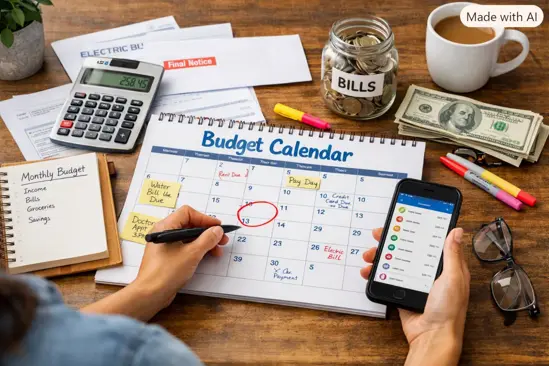
A costly purchase, missed payment, unmanageable loan or investment loss can make you question every financial decision you make. The result is often not just a smaller bank balance. It is a loss of financial confidence: you may avoid opening banking apps, delay decisions or ask others to decide for you.
Learning how to rebuild financial confidence is not about pretending the mistake did not matter. It is about responding clearly, taking a few reliable actions and collecting proof that you can handle money again. This practical process can help you recover from money mistakes without shame.
Why Money Mistakes Can Damage Your Financial Confidence
Money decisions carry practical consequences and emotional weight. A mistake may affect your housing, family plans, debt level or sense of security. It can also trigger harsh conclusions such as “I am terrible with money” or “I cannot trust myself.”
Those conclusions are understandable, but they are not useful facts. One poor decision can happen because of incomplete information, stress, urgency, misleading advice or a period when expenses exceeded income. Even a repeated pattern is a behaviour to change, not a permanent identity.
Low financial self-trust can create a cycle: avoidance means you have less information, less information makes decisions feel riskier, and the next decision is more likely to feel overwhelming. The way out is not a perfect plan. It is a simple routine that makes money visible and decisions slower and safer.
Separate a Bad Financial Decision From Your Identity
Use precise language when describing what happened. Instead of saying, “I am irresponsible,” say, “I took on a payment I could not comfortably afford.” Instead of, “I always mess up,” say, “I did not check the total cost before signing.”
This is not wordplay. A label makes change feel impossible; a specific description points to a solution. If the problem was an unaffordable monthly payment, the solution may be to review fixed costs and ask the provider about options. If the problem was impulse spending, the solution may be a 24-hour waiting rule and a separate spending account.
Try this replacement statement: “I made a decision I would handle differently now. I can learn the skill or build the system that was missing.” It leaves room for accountability without turning recovering from money mistakes into a verdict on your character.
Complete a No-Shame Review of What Happened
A short review turns a vague regret into useful information. Set aside 30 minutes, gather statements or contracts, and write answers without trying to defend or punish yourself. If the figures are difficult to face, start with one account or one bill.
Your money mistakes recovery worksheet
- Name the event: What happened? For example: “I used a credit card for €1,200 of expenses during a difficult month.”
- Measure the current impact: What is the balance, interest rate, payment date, fee or lost income? Use exact figures where possible.
- Identify the conditions: What was happening at the time? Consider income changes, stress, pressure, lack of information or automatic payments.
- Find the decision gap: What check, limit or knowledge would have made a better outcome more likely?
- Choose one repair action: This could be calling a lender, cancelling a subscription, arranging a payment plan or moving money to an emergency fund.
- Choose one prevention rule: Make it specific enough to use next time.
Keep the review factual. The purpose is not to relive the mistake; it is to create a response plan. If debt payments are becoming hard to meet, contact the lender early. In many European countries, free or low-cost debt advice services can explain your options and help you communicate with creditors.
Create Small Money Promises You Can Keep
Financial confidence grows when you keep commitments to yourself. Start smaller than you think you need to. A promise that is completed every week is more valuable than an ambitious plan abandoned after three days.
Choose one or two promises linked to your current reality, not your ideal future. Put them on a calendar and make them measurable.
| Situation | Small promise | Why it builds trust |
|---|---|---|
| You avoid checking balances | Check your main account every Tuesday for five minutes. | Reduces avoidance without creating overwhelm. |
| You often overspend before payday | Transfer €25 each week into a bills or savings pot. | Creates a repeatable cushion. |
| You make rushed purchases | Wait 24 hours before non-essential purchases over €50. | Creates space to decide calmly. |
| You have missed due dates | Set reminders seven days before every payment date. | Turns memory into a reliable system. |
| You are repaying debt | Make the minimum payment by direct debit and add €10 after each payday. | Protects payment history while making visible progress. |
Adjust the amounts to your currency, income and obligations. If €25 is unrealistic, start with €5. The point is consistency, not performance. As you keep promises, financial self-trust becomes evidence-based rather than dependent on feeling motivated.
Use Simple Decision Rules to Prevent Repeat Mistakes
Willpower is unreliable when you are tired, anxious or pressured. Decision rules reduce the number of choices you have to make in the moment. Write your rules where you can see them, and make them relevant to the mistake you want to avoid repeating.
- Do not borrow for a purchase until you know the total amount repayable, interest rate and monthly payment.
- For contracts lasting more than 12 months, wait 48 hours and compare at least two alternatives.
- Do not invest money needed within the next three to five years.
- Check whether a new monthly cost still fits after rent, utilities, food, transport and minimum debt payments.
- Discuss any joint financial commitment above an agreed amount with your partner first.
- Keep a small buffer in your current account before making discretionary purchases.
These rules do not eliminate risk, and they should not stop you from making normal life decisions. They simply provide guardrails when emotions or sales pressure are high. This is a practical part of how to improve your relationship with money: you stop relying on panic, guilt or optimism and start using a repeatable process.
Track Evidence That You Are Making Progress
After a mistake, your brain may focus only on what went wrong. Counter that tendency by tracking a few useful signs of progress. Do this weekly or monthly, not every hour.
- Number of bills paid on or before the due date
- Days since you checked your accounts and budget
- Amount saved, even if it is small
- Debt balance or number of repayments completed
- Times you used your waiting rule before buying
- Money conversations or calls you completed instead of avoiding
A free budget app such as WhizBudget can make this easier by giving you one place to record spending, upcoming bills and savings goals. The aim is not to monitor every cent perfectly. It is to see patterns early enough to make a calm adjustment.
Review the evidence with two questions: “What worked?” and “What needs a smaller or clearer system?” Avoid asking, “Why am I still bad at this?” Progress can include stabilising, asking for help and stopping a problem from getting worse.
What to Do When a New Financial Setback Happens
A setback does not erase your progress. An unexpected repair, reduced work hours or overspending weekend is information that your plan needs attention. Respond within 24 to 72 hours if possible, before avoidance grows.
- Pause the self-criticism. Name the event in one factual sentence.
- Protect essentials. Check housing, utilities, food, transport, insurance and minimum debt payments first.
- Get the real number. Look at the account balance, bill amount and due date rather than guessing.
- Take one stabilising action. Delay a non-essential expense, move money, contact a provider or update your budget.
- Review the system later. Ask whether the event was unavoidable, a planning gap or a rule that needs changing.
For example, if a €300 car repair empties your savings, the immediate goal may be arranging payment terms and pausing extra debt repayments for one month. The later goal may be building a vehicle repair category into your savings. Neither step requires shame.
When to Get Professional Help With Money Decisions
Some situations need more than a personal budget. Seek qualified help if you are missing essential payments, using new credit to repay old credit, facing enforcement action, dealing with gambling-related spending, or feeling unable to cope with financial anxiety.
Look for a regulated financial adviser when you need investment, pension, tax or complex planning advice. For debt, use a reputable non-profit debt advice service or a recognised local consumer organisation. Check credentials and fees before sharing information. A professional can provide options; you still remain part of the decision process, which supports rather than replaces your financial confidence.
FAQs About Rebuilding Financial Confidence
How long does it take to rebuild financial confidence?
It depends on the situation, but you can begin rebuilding it within weeks by keeping small promises and facing key numbers. Larger debt or income problems may take longer to resolve, yet confidence can grow before the final balance is paid.
What is the first step after making a big money mistake?
Get clear on the current facts: the balance, due dates, interest or fees, and essential bills. Then take one repair action, such as contacting the provider or setting up a realistic payment plan.
How can I stop avoiding my bank account?
Set a short, scheduled check-in once a week. Start by viewing only your balance and upcoming bills. Increase the detail gradually as the routine becomes less stressful.
Can I rebuild financial self-trust while paying off debt?
Yes. Paying debt consistently, even in small amounts, is strong evidence that you can follow a plan. Track on-time payments and balance reductions, not only the total remaining debt.
What if my partner does not trust my money decisions anymore?
Focus on transparent actions rather than promises. Share a simple budget, agree spending limits, schedule regular check-ins and follow through over time. If conflict is severe, a financial counsellor or relationship therapist may help.
Should I save money or repay debt after a mistake?
Usually, protect minimum debt payments and build a small emergency buffer while prioritising high-interest debt. The right balance depends on interest rates, job security and access to credit, so seek debt advice if payments are unaffordable.
Build Confidence Through the Next Good Decision
You do not need to prove that you will never make another money mistake. You need a workable way to notice problems, respond early and keep a few promises to yourself. Start with the no-shame review, choose one small action for this week and record the result.
WhizBudget is a free budget app that can help you see spending, organise bills and track the habits that rebuild trust over time. Open your budget today and make the next good decision easier.