A good deal is not the biggest discount. It's paying a fair price for something you planned to buy anyway. Most "savings" in shopping come from fake urgency, inflated original prices and things we never meant to buy. These tips help you pay less for what you need without falling for the tricks.
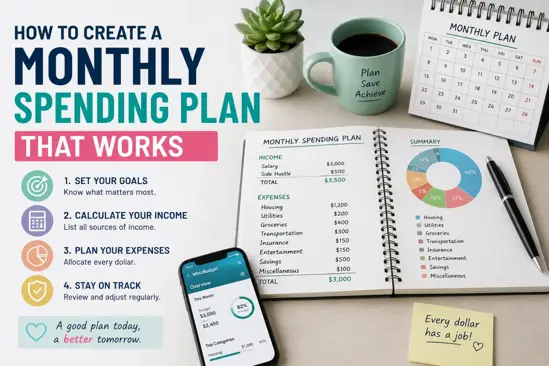
Start With a List and a Budget
The best deal is the purchase you don't make. Decide what you need before you shop and set a spending limit for each category. If an item isn't on the list, wait 48 hours before buying it; most impulse wants fade. Our 7-day plan to stop impulse buying online goes deeper.
Compare the Unit Price, Not the Pack Price
Shelf labels usually show a price per kilo, litre or item. Bigger packs are often cheaper per unit, but not always, and only if you'll use it all before it spoils. Comparing unit prices is the single easiest habit for groceries; see our plan to cut your grocery bill without coupons.
Check the Price History
A "50% off" label means little if the original price was raised the week before. For larger online purchases, check the item's price over the last few months with a price-tracking tool or browser extension, and set an alert for your target price.
Time Your Big Purchases
- Seasonal end-of-line sales: clothing, garden furniture and sports gear are cheapest when the season ends.
- New model launches: phones, laptops and TVs often drop in price when the next model arrives.
- Big sales events: useful for items you already planned to buy, provided you checked the price beforehand.
Watch Out for Common Tricks
- Countdown timers and "only 2 left" are designed to rush you.
- Free shipping thresholds make you add items you didn't need to save a few dollars.
- Bundles are only a deal if you'd buy every item in them.
- "Buy now, pay later" makes a purchase feel smaller than it is and can turn into debt.
Think in Cost Per Use
A cheap item you replace every year can cost more than a durable one that lasts five. Divide the price by how many times you'll realistically use it; our cost per use guide shows how to decide whether an expensive purchase is worth it.
Use Cashback and Loyalty Programmes Carefully
Cashback, loyalty points and store cards can save a few percent on things you'd buy anyway. They stop being a saving the moment they make you shop more, or carry a balance on a high-interest store card.
Track What You Save
Record what you spend in each category and compare it with last month. Seeing that you spent $60 less on groceries is more motivating than any discount badge, and it tells you which habits are really working.
Frequently Asked Questions
Are big sales events really cheaper?
Sometimes. Prices on popular items are often similar at other times of year, so check the price history before buying.
Is buying in bulk always cheaper?
Only when the unit price is lower and you'll use everything before it expires. Food waste can wipe out the saving.